

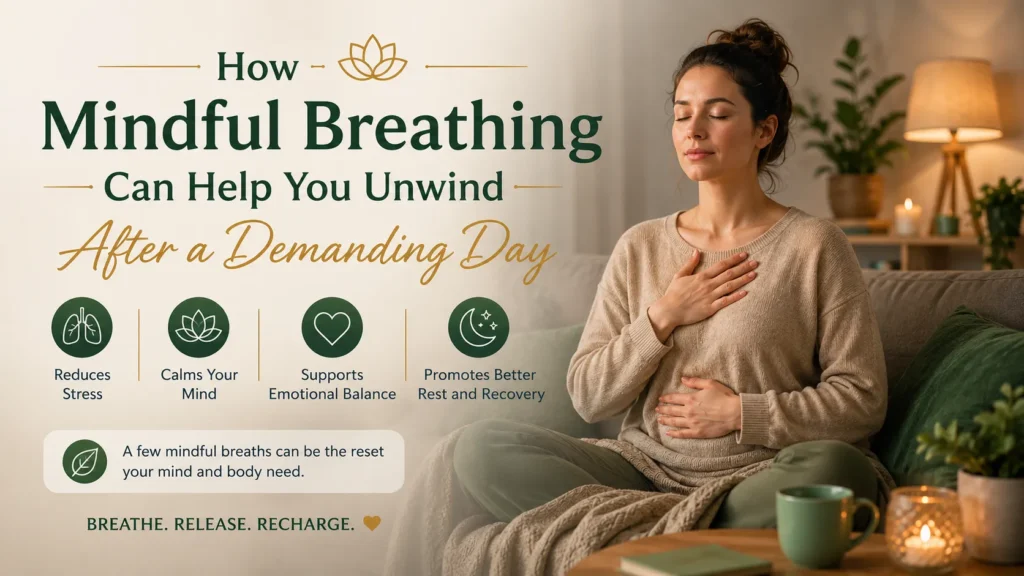
A demanding day does not always end when work finishes. The laptop may be closed, but the mind can keep replaying conversations, deadlines and decisions. In London, the journey home can add crowded trains, traffic, noise and more screen time before there is any genuine pause.
Mindful breathing offers a simple way to create that pause. It means giving calm, deliberate attention to the breath without trying to force a dramatic result. A few quiet minutes can help mark the transition from professional demands to personal time. It is not a cure for stress, anxiety or exhaustion, but it can become a practical part of an evening routine.
The most useful mindful breathing techniques are often the least complicated. They do not require special equipment, a perfect meditation space or advanced experience. What matters is comfort, regularity and a willingness to stop if the exercise feels unpleasant.
Why It Can Be Difficult to Switch Off
Modern work asks people to move quickly between tasks while remaining reachable. A single day may contain meetings, calls, travel, urgent messages and long periods of concentration. When the external activity stops, the mind may still feel as though it needs to prepare for the next demand.
This is especially noticeable when work and home share the same space. Someone working remotely may finish a meeting and find themselves standing in the same room with no physical journey to signal that the day has changed. Office workers have a commute, but that time is often filled with emails, news or social media.
An evening mindfulness practice creates a deliberate boundary. It does not make the day disappear. It provides a short interval in which nothing new needs to be solved.
Mindful breathing techniques fit this purpose because the breath is always available. The practice can take place at home, in a quiet hotel room or before leaving the office, provided the setting is safe.
What Mindful Breathing Actually Means
Mindful breathing combines two simple actions:
- noticing the breath as it is; and
- allowing it to become gentle and regular without strain.
The practice is not a competition to take the deepest breath or hold it for the longest time. In fact, forcing the breath can create discomfort, tension or light-headedness. A helpful pace should feel sustainable.
Some people prefer counting because it gives attention a clear task. Others would rather notice the movement of the abdomen, the temperature of the air or a natural exhalation.
Both approaches can be mindful. The essential point is that attention returns to the present experience each time it wanders.
The aim is not to empty the mind. When work returns to awareness, acknowledge it and gently return to the next breath.
What the Evidence Can—and Cannot—Tell Us
The NHS breathing exercise for stress describes a gentle technique that can be practised in a few minutes and may be used while standing, sitting or lying down. It advises allowing the breath to move into the abdomen as comfortably as possible, breathing gently and using a count if helpful.
Research also supports cautious interest in slow-paced breathing. A 2024 systematic review and meta-analysis examined 31 studies involving 1,133 participants. It found reliable short-term changes in several cardiovascular measures. The effect on reducing negative emotions, including perceived stress, was more modest, and the researchers said that long-term effectiveness still needs further study.
Breathing exercises for relaxation may help someone settle or interrupt repetitive thinking. They should not be promoted as guaranteed treatments for anxiety, depression, cardiovascular conditions, trauma or sleep disorders.
A helpful practice supports the evening; it does not replace suitable medical care, mental health support or necessary changes to an unhealthy workload.
The Three-Stage Evening Decompression Sequence
One reason wellbeing habits fail is that they require too many decisions. The following sequence is designed to be memorable. It uses a transition, a five-minute breathing period and a quiet landing.
Stage 1: Create a clear arrival
Choose an action that marks the end of the demanding part of the day. Put the laptop away, change clothes, dim the main light or place the phone out of reach for ten minutes.
If travelling home, let the breathing practice begin after arriving rather than attempting it on a crowded platform or while walking near traffic. Safety comes first.
Sit in a stable chair with your back supported, or lie down if that is more comfortable. Loosen anything that restricts easy breathing. Let your hands rest naturally and place both feet on the floor if seated.
Its purpose is to remove small interruptions before focusing on the breath.
Stage 2: Practise five minutes of gentle breathing
Use this NHS-aligned method:
- Allow the breath to travel towards the abdomen only as far as feels comfortable.
- Breathe in gently through the nose.
- Breathe out softly through the mouth.
- If counting helps, count from one to five on the inhale.
- Use the same comfortable count on the exhale.
- Continue for up to five minutes without forcing the pace.
Reaching five is not required. A shorter count is fine, and the shoulders, jaw and hands should remain relaxed.
If attention moves back to work, silently note “thinking” and return to the next gentle inhale. There is no need to criticise the distraction or begin again.
Stop and return to normal breathing if you feel dizzy, breathless, panicked, numb, uncomfortable or unwell. Anyone with concerns about whether controlled breathing is suitable for a medical or respiratory condition should seek advice from an appropriate healthcare professional.
Stage 3: Leave a quiet landing
Do not move immediately from mindful breathing into email, intense news or another demanding task. Leave two or three minutes of quieter activity around the practice.
Drink water, make tea, look outside or write down one unfinished thought for tomorrow. Preserve the change of pace instead of testing whether the exercise “worked”.
The sequence takes less than ten minutes. Its value comes from being repeatable, not producing an exceptional experience every time.
Three Gentle Variations
Not every approach suits every person. These variations keep the practice simple without introducing long breath holds or forceful techniques.
1. Uncounted breath awareness
Sit comfortably and observe five natural breaths. Notice where movement is easiest to feel: the nostrils, chest or abdomen. Continue for several minutes, returning attention whenever it wanders.
This can suit people who find counting distracting. The breath does not need to be changed deliberately.
2. Equal-count breathing
Choose a comfortable count, perhaps three or four, and use it for both the inhale and exhale. Keep the rhythm smooth and stop if the count creates effort.
Equal counting offers structure without requiring a pause or breath hold.
3. Breath with a grounding phrase
Pair each natural inhale with a simple word such as “here” and each exhale with “now”. The words are quiet points of attention rather than claims or affirmations.
This brings attention back to the current room and moment.
Try one method for several evenings before deciding whether it suits you. Constantly changing techniques can turn a calming routine into another search for the perfect solution.
Mindful Breathing in London Life
Mindful breathing London residents can realistically maintain needs to work around the city rather than ignore it. The setting does not need to be silent, but it should be safe enough to reduce interruptions.
After a busy commute
Wait until you are home before closing your eyes or changing the natural rhythm of your breath. Notice the support of the chair and leave messages unchecked.
After working from home
Create a physical change before beginning. Leave the work area, wash your hands, change the lighting or open a window. This prevents the breathing period from feeling like another task performed at the desk.
In a hotel
Visitors may find that work travel leaves little separation between meetings and evening time. A stable chair, comfortable room temperature and a silenced phone can be enough for a short practice.
Before a wellness appointment
Gentle breath awareness can help someone arrive with clearer attention. It should never be used to override discomfort or avoid discussing preferences and boundaries. Communication remains more important than appearing completely relaxed.
Breathing for Emotional Balance
Emotional balance does not mean remaining calm all the time. It means having enough awareness to recognise an emotional state and respond with some choice.
After a difficult day, people may notice irritation, disappointment, mental fatigue or restlessness. Calming breathwork can provide a brief space in which those feelings are observed rather than immediately acted upon.
The breathing period might reveal a need for food, quiet, movement, sleep or a practical response to work the next day.
Breathing for emotional balance should therefore be understood as a check-in, not an instruction to suppress emotion. The aim is not to breathe away a legitimate concern. It is to approach the next decision from a less hurried position when possible.
How to Turn It Into a Real Evening Habit
The practice is more likely to continue when it is attached to something that already happens.
Possible cues include:
- after putting away work equipment;
- after changing out of work clothes;
- before the evening meal;
- after arriving at a hotel;
- before reading or another quiet activity.
Start with three to five minutes. Use the same chair or corner when practical, and place the phone face down.
Track consistency lightly. A simple mark on a calendar is enough. Avoid scoring the quality of each session, comparing breathing rates or deciding that a distracted practice was a failure.
At the end of a week, ask:
- Was the timing realistic?
- Did the practice reduce or add pressure?
- Would a different setting make it easier?
- Did any discomfort occur?
Adjust the routine according to those answers. Mindfulness should support daily life, not become another standard that is difficult to meet.
Common Mistakes to Avoid
Forcing a very deep breath
More air is not automatically better. Let the breath deepen only as far as feels comfortable.
Using long breath holds without guidance
Breath-holding patterns are common online, but they do not suit everybody. A beginner can use gentle, continuous breathing without holds.
Expecting an instant emotional reset
Some evenings will feel calmer than others. The practice can still be useful as a boundary even when the change is subtle.
Practising in an unsafe setting
Do not close your eyes or focus inward while driving, cycling, crossing roads or navigating a busy station.
Treating breathing as a substitute for help
Persistent anxiety, panic, low mood, sleep difficulty, breathlessness or inability to cope should not be managed solely through online breathing advice. Speak with an appropriate healthcare professional.
Creating a Wider Relaxation Routine
Mindful breathing works best as one small part of a realistic evening. It can be followed by an unhurried meal, gentle movement, reading, a warm shower, conversation or reduced screen time.
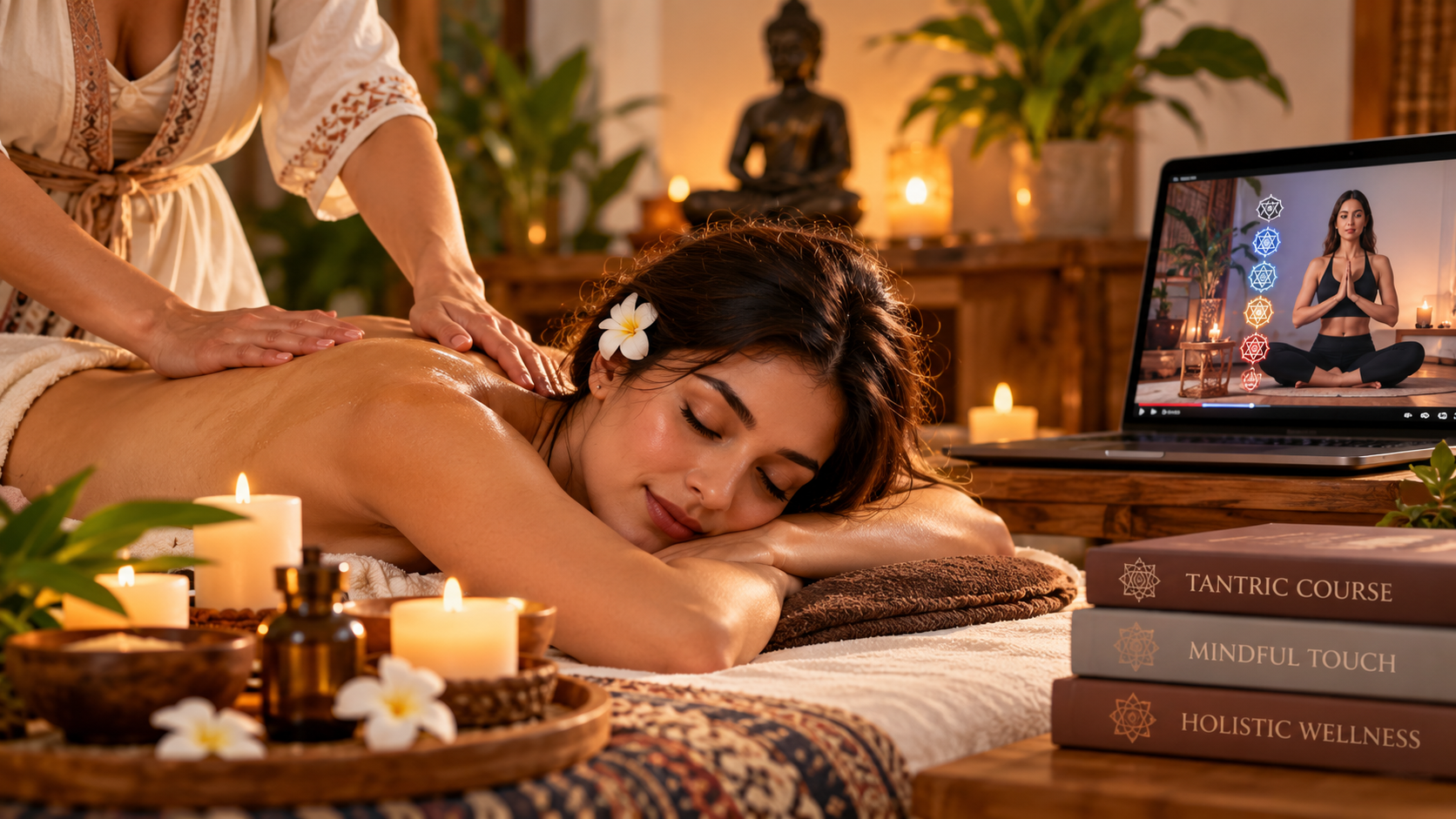
Some adults also place it before a professionally delivered relaxation experience. In that context, the breath can help mark the transition into personal time while clear communication, privacy, hygiene and agreed boundaries shape the appointment itself.
People searching for the “most popular Tantric Massage parlour in London” should remember that popularity is not an independently verified measure of suitability or quality. It is more useful to examine current service information, professional standards, privacy, location, pricing and booking expectations.
Tantric Massage London provides adults with information about its London services, therapists, locations and booking routes. Review the current website and confirm all relevant details directly before arranging an appointment.
A Calmer Evening Can Begin With One Breath
A demanding day often leaves the mind moving faster than the evening requires. Mindful breathing cannot remove every source of pressure, but it can create a clear, repeatable interruption.
Begin with comfort. Allow the breath to remain gentle. Use counting only if it helps, and return to normal breathing if the exercise feels unpleasant. Pair five minutes of attention with a clear transition and a quiet landing.
The practice does not need to be impressive. Its purpose is simply to help the working day end and give the rest of the evening room to begin.







Leave a Reply